Sickle cell disease (SCD), an inherited blood disorder, affects one in 350 African-Americans. The disease inhibits blood flow due to the sickling of blood cells, which causes pain, fever, strokes, even death. The Diggs-Kraus Sickle Cell Center at Regional One Health has cared for more than 51,000 patients. Medical procedures developed here have been adopted nationwide.
In its more than 80-year history, the mission of the Diggs-Kraus Sickle Cell Center (SCC) has been to provide primary outpatient medical care to SCD patients in a holistic way that is sensitive to the pressures that this catastrophic disease brings to bear on patients and their families. It is expected that visits to the SCC will nearly double over the next decade due to the extended life expectancy of SCD patients from much improved pediatric care.
Working together in a multi-disciplinary approach helps patients to manage their disease and reduce the number of hospital visits. The result is healthier patients living more productive lives. At the Diggs-Kraus Sickle Cell Center, we offer regular preventative and maintenance care which includes routine lab work at least twice a year, an annual eye exam, immunizations, and general health and nutritional information. Each program is designed around the individual patient and may include specialists from several areas.
With the multi-disciplinary approach, fewer patients face medical crisis. The process is designed to get patients back on their feet and to prevent as many crises as possible.
Meet Our Medical Director
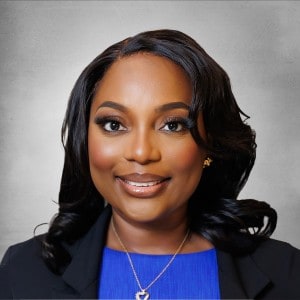
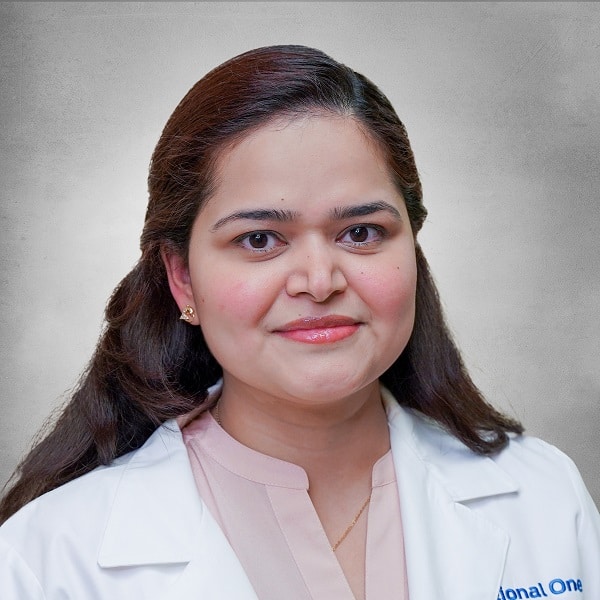
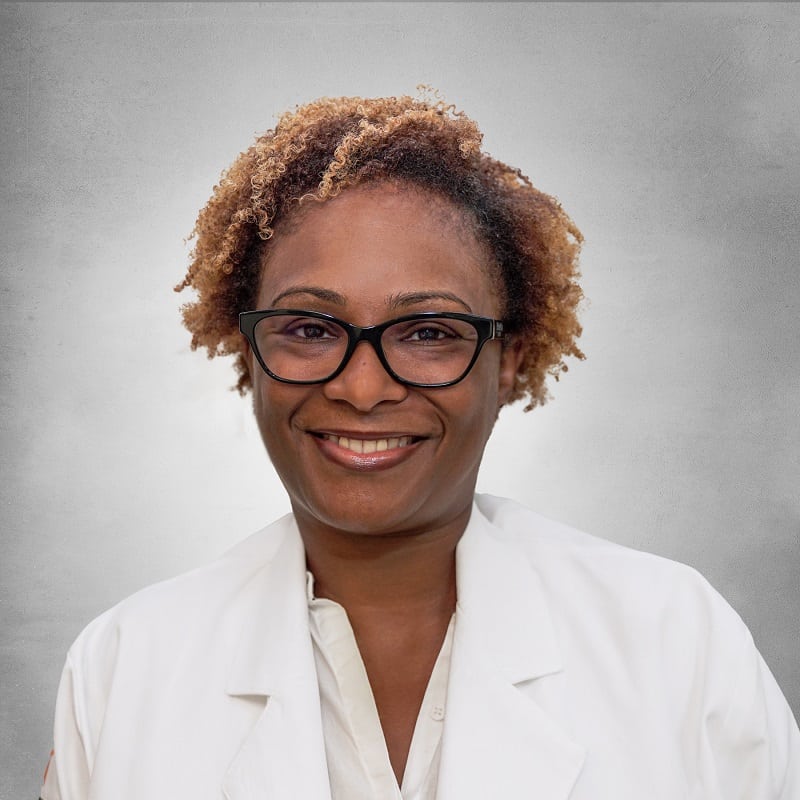
Ugochi Ogu, MD is the Medical Director of the Diggs Kraus Sickle Cell Center at Regional One Health. Growing up in Nigeria, which has the highest incidence of sickle cell in the world, Dr. Ogu was inspired to specialize in treating this disease so she could help patients lead healthier lives.
Dr. Ogu completed her medical degree at Windsor University School of Medicine in St. Kitts, West Indies and her internship at University of Iowa Hospitals and Clinics in Iowa City. She then completed her fellowships at Memorial Sloan-Kettering Cancer Center and Weil Cornell Medical with a focus in hematology and oncology. Learn more